
At a glance
The demand side at a glance
Quick answers
Large loads, quickly
Which pathway does a data centre connection use?
The load-side track of whichever framework covers the site: a Chapter 5 load application in the NEM, Western Power's five stages with a load model assessment in the SWIS, or the access code pathways in the Pilbara. Data centres - gigawatt-scale ones included - are the newest and largest members of a load-connection family heavy industry has used for decades.
What replaces the GPS for a load connection?
Load performance standards in the NEM, or a load model assessment on Western Power's SWIS track - the negotiated technical behaviour of the facility at the connection point, evidenced by dynamic load models.
Do networks really require dynamic models of a load?
Increasingly, yes - RMS and, more and more, EMT representation of large power-electronic load behaviour. Data centre power electronics are not textbook induction motors, and networks pay growing attention to how very large inverter-fed loads interact with system strength and nearby inverter-based generation.
How do I pick a site that can actually connect?
Site against the network, not just the land: available capacity, system strength and augmentation outlook at candidate connection points. Headline spare capacity at a substation is not committed capacity once the enquiry queue is counted - early, formal enquiries beat map-based siting.
What power quality requirements apply?
Harmonics and flicker requirements for power-electronic loads, alongside load flow and fault level at the point of connection and voltage stability under contingencies. Networks assess each large-load connection individually.
Does a co-located battery change a load connection?
Yes - a co-located BESS changes both the connection case and the study load, bringing generator-side obligations into what began as a load application. BESS grid connection & studies.
What sets the timeline at data centre scale?
Load connections avoid some generator-side negotiation but inherit everything else - and at this scale, augmentation works frequently set the critical path. The process rewards loads that arrive with credible models the same way it rewards generators.
The pathway
Siting to staged ramp
- Siting against the network, not just the land
Available capacity, system strength and augmentation outlook at candidate connection points.
- Connection enquiry
With the relevant TNSP or DNSP, on the load track.
- Load performance standards / load model assessment
Negotiated technical behaviour of the facility at the connection point - the load-side equivalent of a GPS.
- Dynamic load modelling
RMS and, increasingly, EMT representation of large power-electronic load behaviour.
- Offer, agreements and augmentation
Including dedicated connection assets where scale demands them.
- Substation delivery
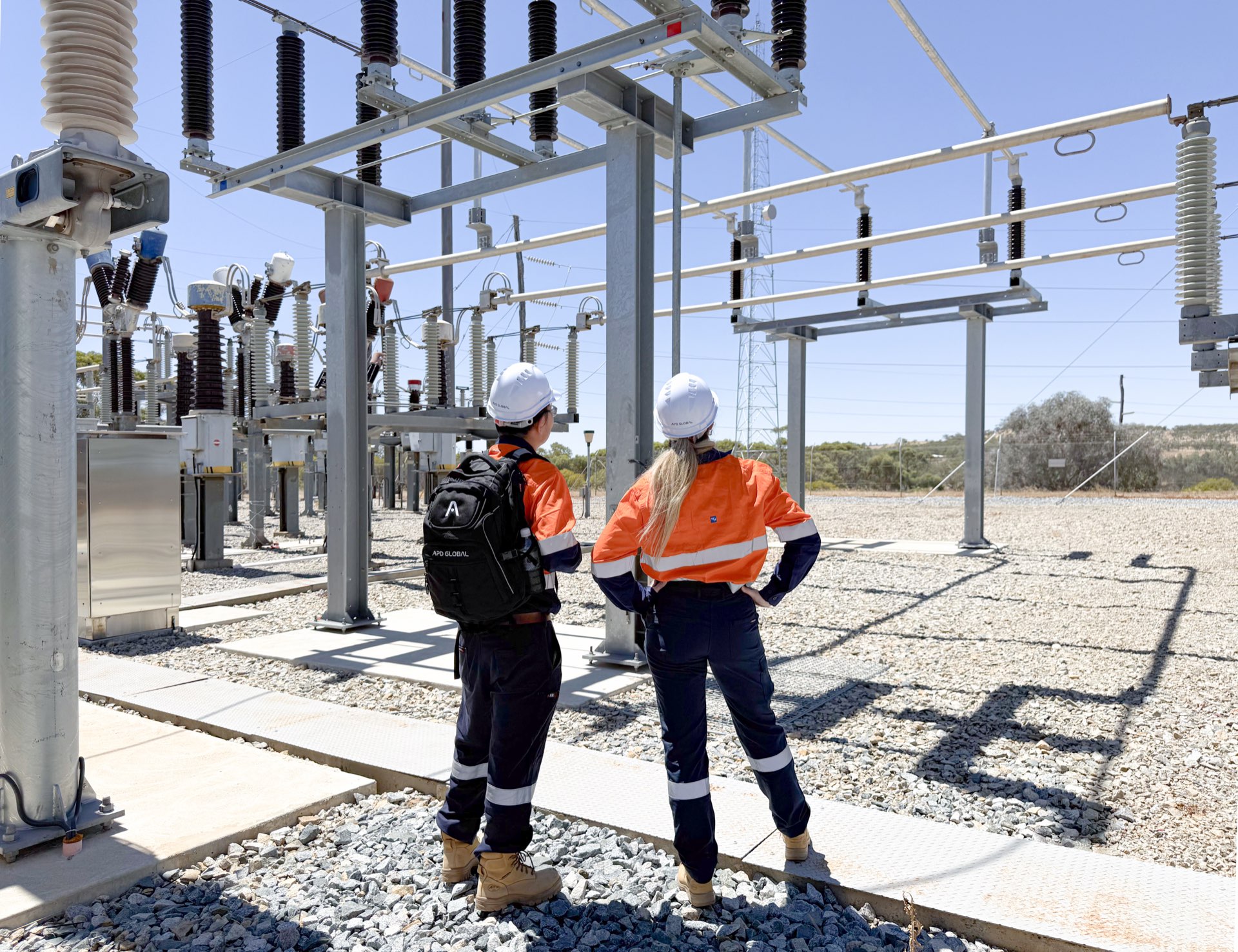
The customer terminal itself - often compact GIS where land is tight.
- Commissioning and staged load ramp
Energisation evidence and agreed ramp arrangements.
Studies
What networks assess on the load side
Co-located BESS changes both the connection case and the studies - BESS grid connection & studies. The scale is current: APD Global is connecting the mega data centres now arriving on the Australian grid - gigawatt-plus connections, individually.
The honest part
Where it gets hard
Networks increasingly expect dynamic models of large loads, and data centre power electronics are not textbook induction motors - APD builds and validates load models networks accept.
Headline spare capacity at a substation is not committed capacity once the enquiry queue is counted - early, formal enquiries beat map-based siting every time.
A transmission-connected load needs transmission-grade primary and secondary design, often on a tight urban site where GIS is the answer. GIS substations.
Official documents
The load tracks, published
Last reviewed: October 2026 · Always confirm current requirements with the network directly.
Proof, not promises
APD on the demand side
Large-load control
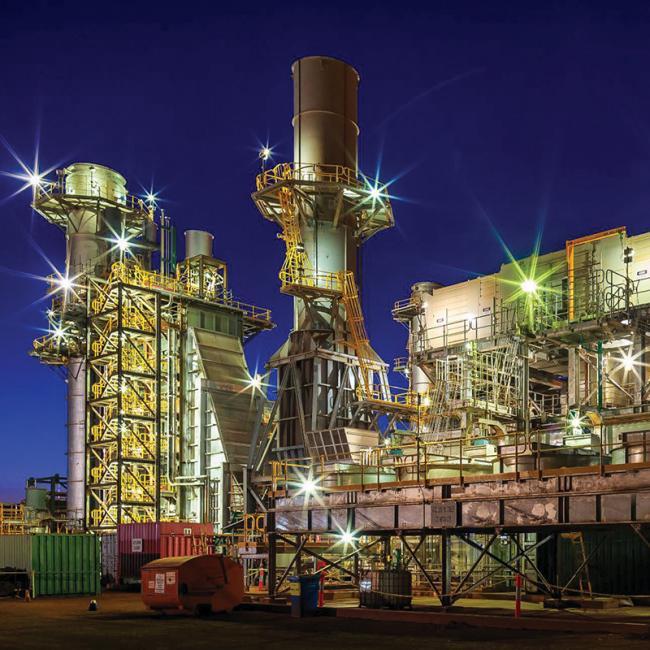
Load management and control-system engineering on industrial power systems.
Mining & industrial →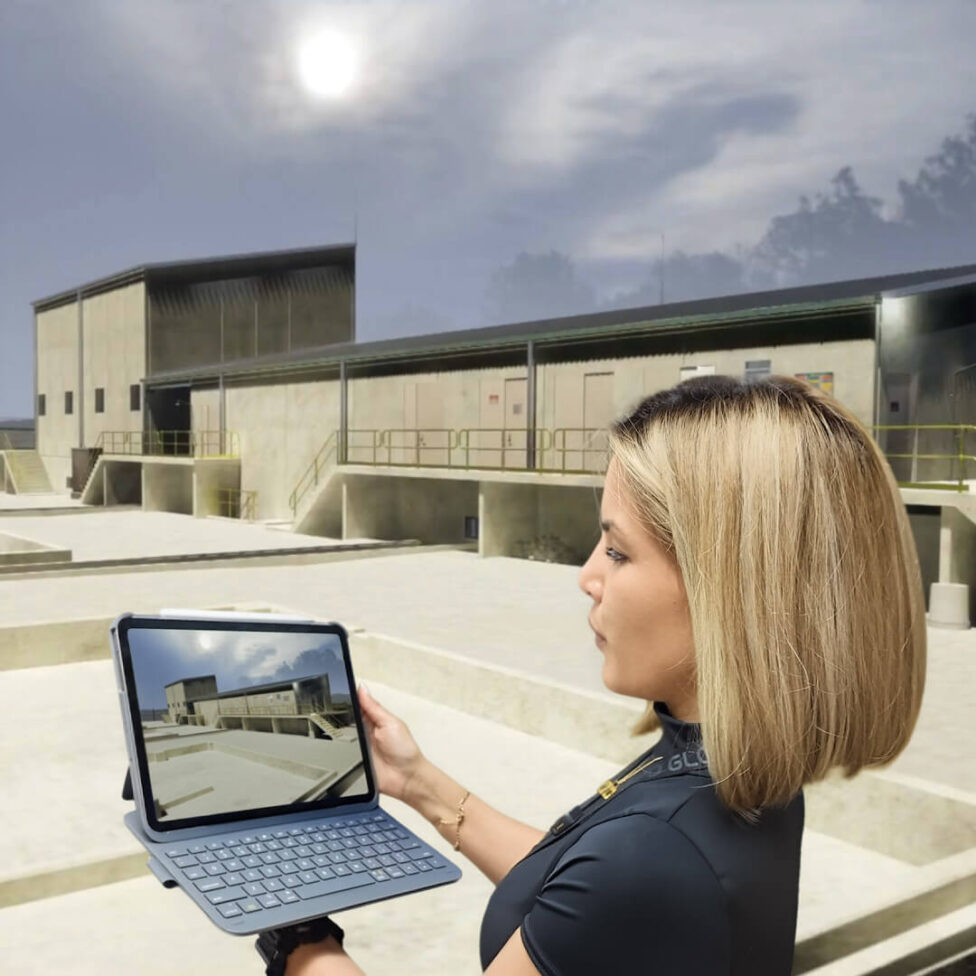
GIS substations
Compact GIS terminal design for sites where land is tight - the data centre default.
GIS substations →Keep navigating