
At a glance
The SWIS transmission track
Quick answers
SWIS transmission, quickly
Who do I actually apply to?
Western Power - it runs the five-stage connection process for the SWIS. The enquiry form, an executed contract and payment buy Western Power's connection options assessment. AEMO's WA functions administer market registration under the WEM Rules.
What are the five stages of a Western Power transmission connection?
Enquiry, Initiation, Scoping, Planning and Execution - with the WEM Rules governing market registration and the GPS proven through the R0, R1 and R2 sequence. The full stage-by-stage guide is in our SWIS connection guide. The eight-move pathway on this page is those five stages broken into the practical steps a project team takes.
Is a GPS assessment required?
For generators, yes: Generator Performance Standards are negotiated and then proven through the R0, R1 and R2 assessment sequence, with a dynamic PowerFactory model validated against the proposed GPS as the evidence. Loads follow the load model assessment track instead - and carry no R1/R2.
What do R0, R1 and R2 mean for my project?
R0 validates the GPS submission and dynamic model at design stage; R1 and R2 are the staged Execution submissions proving the built plant matches the registered model - generation only. Weak models at R0 cost rounds of resubmission.
Do I need PSCAD as well as PowerFactory?
Yes, for significant plant: PowerFactory steady-state with the application, PowerFactory dynamic for the GPS or load model assessment, then PSCAD for the EMT studies in Execution - each submitted with a model user guide so Western Power's engineers can run it independently.
When do I involve AEMO?
At market registration and commissioning: the WEM Rules govern market registration, administered with AEMO's WA functions, and market participant generators need an AEMO-approved commissioning test plan before any testing.
How long does a SWIS transmission connection take?
Strongly project-dependent. In our experience the journey from enquiry to an executed access offer commonly runs well over a year for significant plant, with Execution-stage studies, construction and staged GPS compliance extending beyond that. Keeping every model coherent with the last is the main schedule lever.
Is the SWIS part of the NEM?
No. The South West Interconnected System sits outside the NEM: Western Power runs its own five-stage connection process and the WEM Rules govern market registration. The engineering thread - staged models and studies - is similar; the deliverables, terminology and gates differ.
The pathway
Five formal stages, eight practical moves
Western Power frames the journey as five formal stages - Enquiry, Initiation, Scoping, Planning and Execution. Below, we break those into the eight moves a project team actually makes.
- Enquiry
Enquiry form, executed contract and payment - buys Western Power's connection options assessment.
Full stage detail
Deliberately light, not unimportant: alongside the form, contract and payment, Western Power looks for evidence against its critical project criteria - and the connection option assessed here is the one you confirm later, so it shapes every study that follows. Arrive with a clear single line diagram concept, realistic plant parameters and an honest view of your project's criticality.
- Initiation
Connection application with a steady-state PowerFactory model, model user guide, single line diagram and equipment data sheets.
Full stage detail
The steady-state model shows Western Power what your plant looks like to the network under normal and contingency conditions - load flow and fault level behaviour. The single line diagram is the plant's electrical anatomy on one page, the equipment data sheets pin the model to real hardware, and the model user guide lets Western Power's engineers run the model without you in the room. Initiation also carries the grid input package, community engagement and environmental desktop assessment, and scope definition.
- GPS due diligence and R0
Dynamic PowerFactory model validated against the proposed Generator Performance Standards; loads follow the load model assessment track instead.
Full stage detail
R0 validates the GPS assessment submission at design stage: an updated connection application, a dynamic PowerFactory model and its user guide. The Generator Performance Standards are the negotiated technical promises your plant makes at the connection point, and the dynamic model is the evidence - getting it right at R0 is the cheapest schedule protection in the whole process. Loads run the load model assessment on the same dynamic-model-plus-user-guide footing, with no R1/R2.
- Scoping
Confirmed site, line route, environmental and heritage due diligence, land access in-principle.
Full stage detail
Scoping turns the confirmed option into a concept design and estimate: site location and line route confirmed, environmental, planning and heritage due diligence provided, community engagement conducted, and a land access in-principle agreement in hand. A route or terminal concept that ignores constructability gets re-scoped later, at Execution prices.
- Planning
Final third-party approvals locked in; Western Power prepares the access offer.
- Access offer execution
IWC and ETAC contracts signed, payments or securities in place - the gate into Execution.
- Execution studies
Western Power's dynamic studies, then EMT studies in two stages on a PSCAD model of the facility.
Full stage detail
RMS-scale dynamic models cannot resolve fast inverter control interactions; EMT can - which is why the SWIS process demands PSCAD here, and why the PSCAD model must genuinely represent the delivered control system, not a generic template. Both EMT stages require an updated connection application and a model user guide, alongside Western Power's network-level dynamic work.
- Construction, commissioning, R1/R2
AEMO-approved commissioning test plan for market generators; staged proof that the built plant matches the registered model.
Full stage detail
The final gate closes with all IWC deliverables satisfied: final studies and designs, financial close, land access agreements and easements, environmental, planning and heritage approvals, and third-party approvals spanning gas, water, railway and telecommunications. R1 and R2 then close the modelling thread that opened at Initiation - measured plant behaviour against the registered model, generation only.
Studies
The models that carry the process
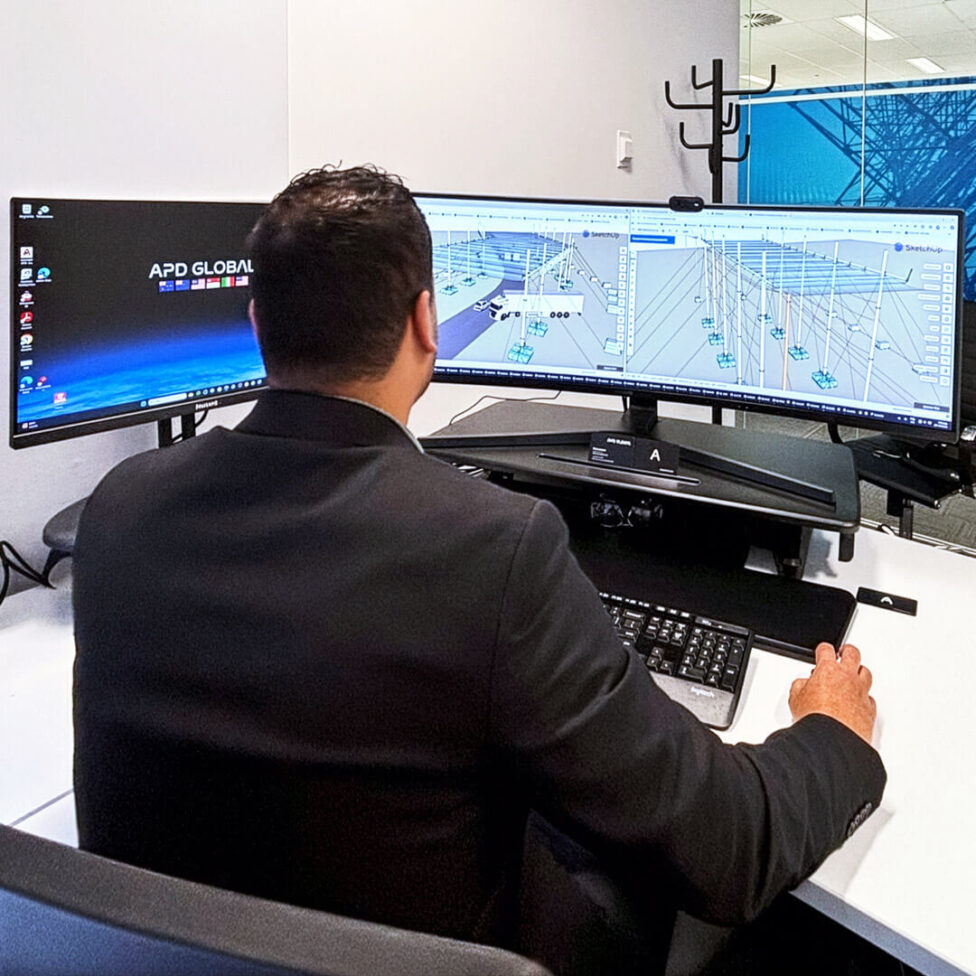
Each model has to agree with the one before - one coherent thread from application to R2. BESS and hybrid plant carry additional control-mode modelling: see BESS grid connection & studies.
The honest part
Where it gets hard
The dynamic model is the evidence behind every performance promise; weak models at R0 cost rounds of resubmission. APD has taken plant from new-build batteries to a fifty-year-old alumina refinery through SWIS GPS compliance.
Steady-state, dynamic and PSCAD models that disagree with each other stall assessments. Keeping one coherent thread is a discipline APD runs end to end - power system studies.
Execution cannot open until environmental, planning, heritage and land access approvals are final - connection engineering and approvals sequencing need one programme.
Official documents
Western Power's own pages
Last reviewed: October 2026 · Always confirm current requirements with the network directly.
Proof, not promises
APD on the SWIS
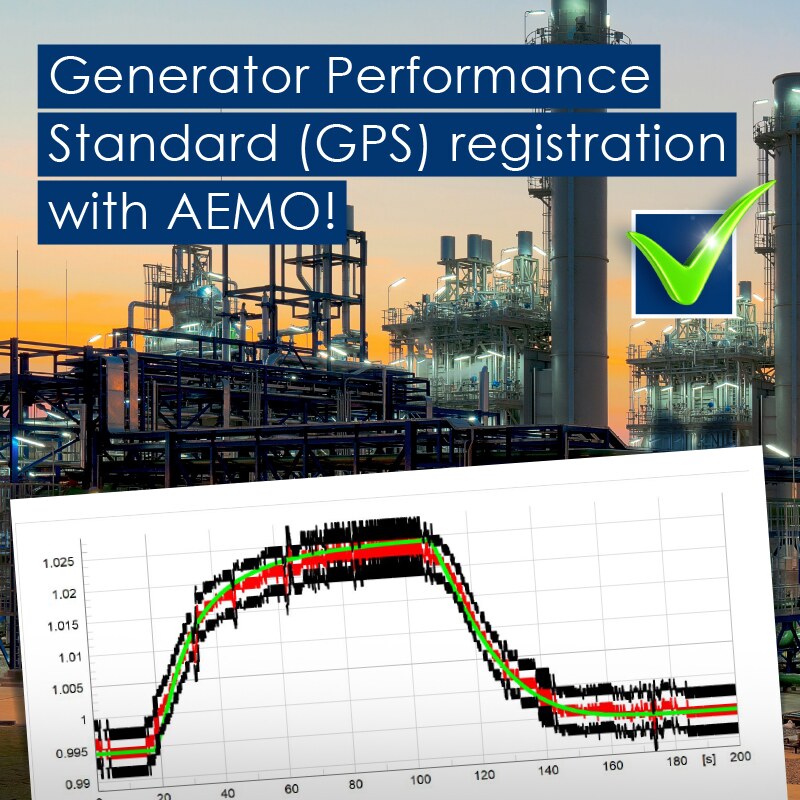
From refinery to BESS
SWIS Generator Performance Standards proven for plant from new-build batteries to a fifty-year-old alumina refinery.
The GPS case →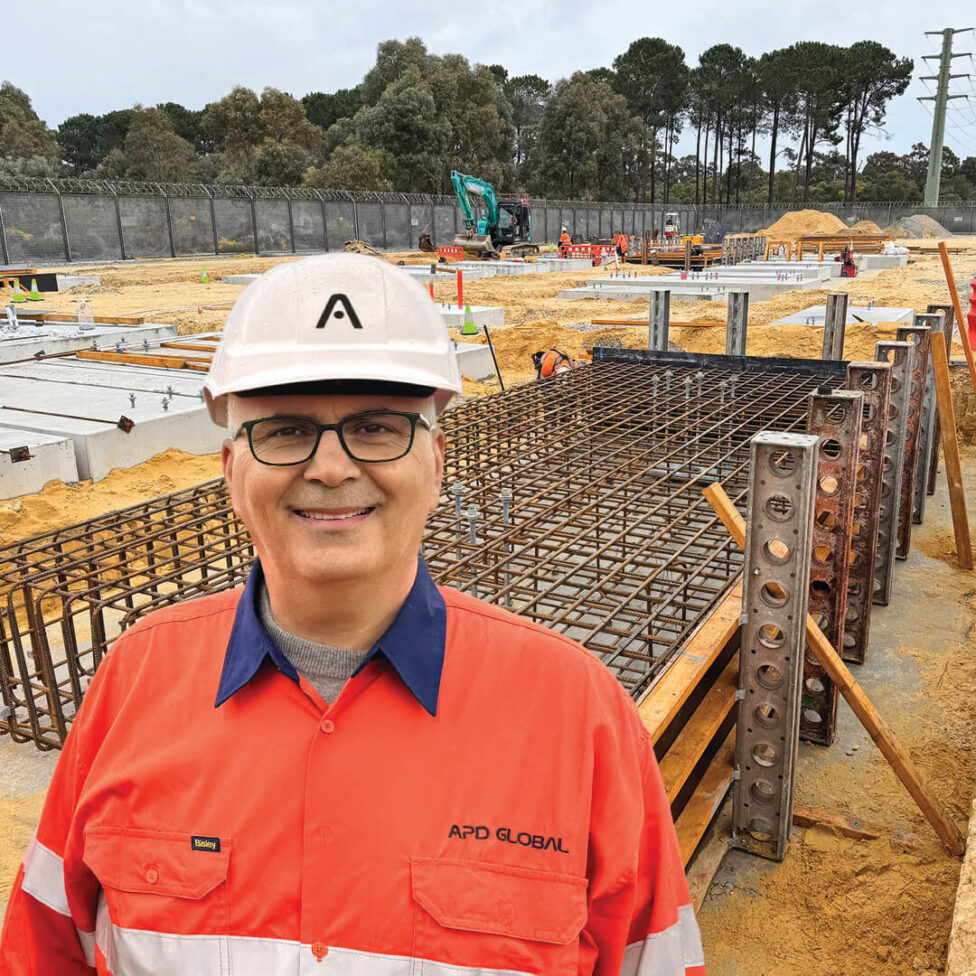
Clean Energy Link North
Substation and transmission engineering on Western Power's network - design accredited, proponent-side.
Substation design →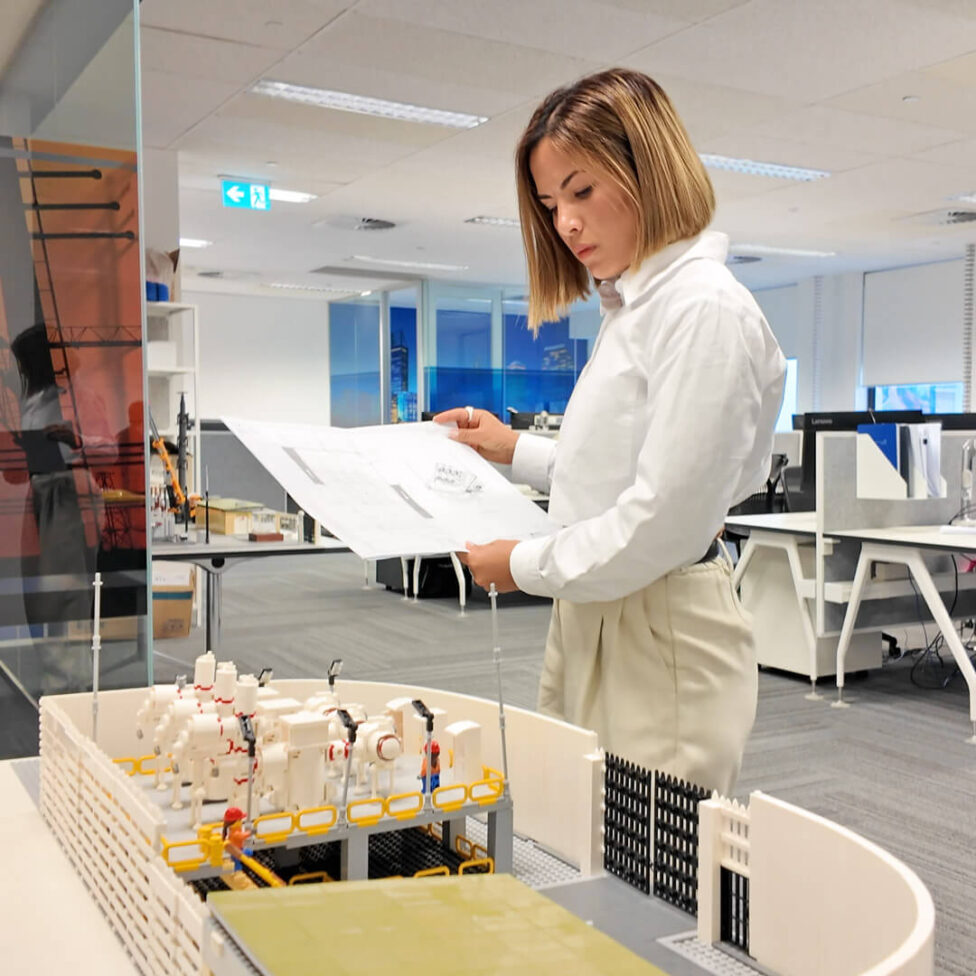
Bunning Lake
A compact GIS switchyard designed for a constrained site - the kind of terminal a SWIS connection ends in.
The project →Keep navigating
SWIS connection guide
The full Western Power process at depth - every stage, every deliverable, explained.
Read the guide →