
At a glance
One rulebook, five-plus networks
Quick answers
Chapter 5, quickly
What is clause 5.3.4A?
The NER clause under which generator performance standards are negotiated between the proponent, the network service provider and AEMO. Every standard agreed is a promise the plant must keep through commissioning and beyond.
What are R1 and R2?
The staged model validation submissions through commissioning: proof that the plant as built and as tested performs the way the registered models said it would.
Do I need both RMS and EMT models?
For most transmission-connected generation and storage, yes. Assessors work in both domains: RMS (typically PSS®E) for wide-area dynamics and EMT (PSCAD) for the fast inverter control behaviour RMS cannot resolve, particularly near low-system-strength connection points - with documentation that lets the assessing engineers run each model independently.
What happens if my plant adversely affects system strength?
The proponent generally either funds remediation works or pays the network's system strength charges, depending on the framework in that region. It applies most often to inverter-based plant connecting in weaker parts of the network - and it is one of the most common sources of unexpected cost and schedule movement.
What makes NEM connection timelines blow out?
Performance standard negotiation and system strength remediation running multiple rounds. Resubmission is the silent schedule killer: networks will accept a second round of studies, but proponents carrying liquidated damages pay for it in money, not just months.
How do large loads fit the Chapter 5 process?
They negotiate load performance standards on a parallel track in place of a GPS - the enquiry, application and offer spine is shared. See data centres & large loads.
Which networks run the Chapter 5 process?
Each region's network service provider: Transgrid (NSW/ACT), Powerlink (QLD), ElectraNet (SA), TasNetworks (TAS) and VicGrid for Victoria's declared shared network - plus the distributors under Chapter 5A.
The pathway
Eight moves from enquiry to R2
- Pre-enquiry scoping
Connection point options, indicative system strength, land and easement reality checks.
- Connection enquiry (5.3.2)
Lodged with the network service provider; the response frames the technical envelope.
- Connection application
Detailed plant data, proposed performance standards and the models behind them.
- Performance standard negotiation (5.3.4A)
Agreed between proponent, network and AEMO; large loads negotiate load performance standards on the parallel track.
- System strength assessment
And remediation or charges where the plant's impact requires it.
- Offer to connect and connection agreement
The commercial gate into delivery.
- Registration with AEMO
Market and technical registration ahead of energisation.
- R1 commissioning and R2 validation
Staged proof that the plant performs as the registered models said it would.
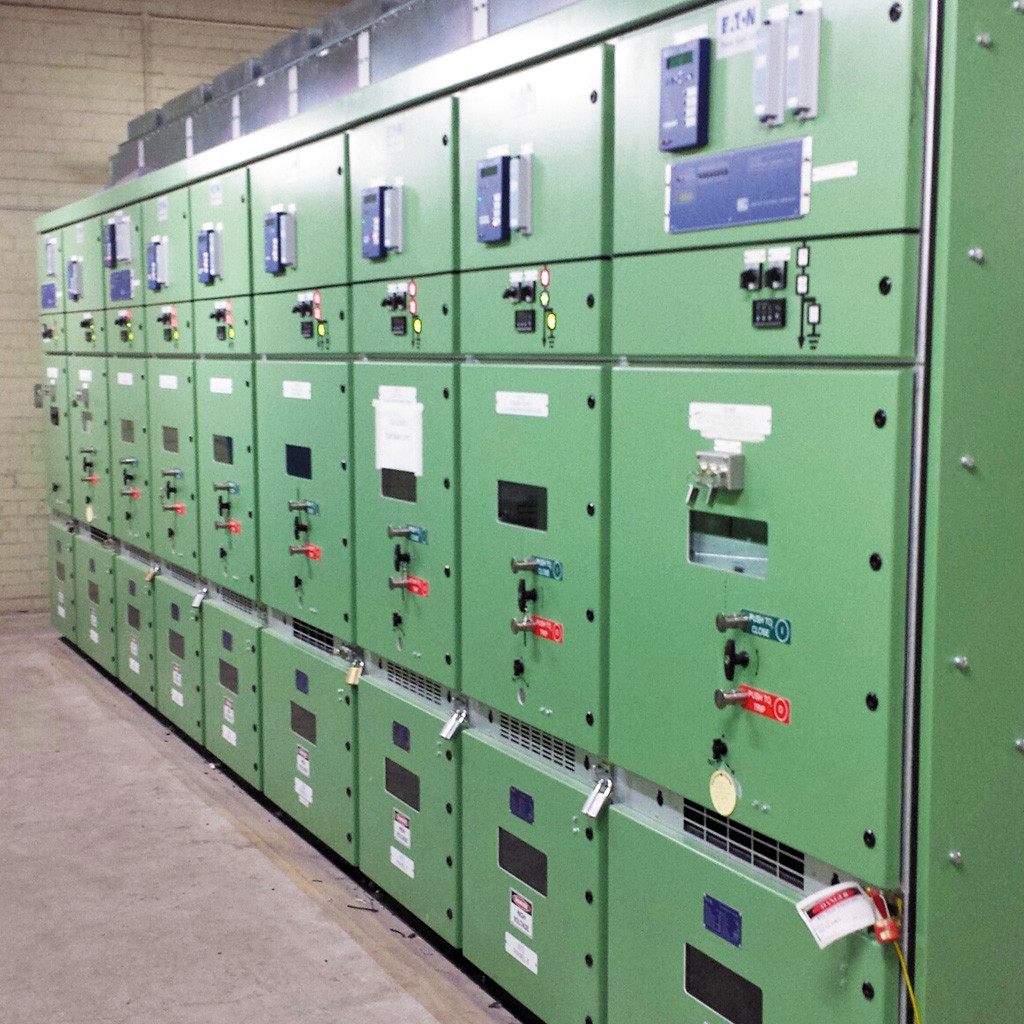
Studies
The study suite, in the assessors' tools
Batteries add grid-forming or grid-following control validation and any SIPS obligations - BESS grid connection & studies.
The honest part
Where it gets hard
AEMO and the networks assess your RMS and EMT models in detail, and models that cannot be run independently or that disagree between domains go back. APD's submissions are built to pass the first time.
Clause 5.3.4A is a negotiation, not a form: every standard you agree to is a promise your plant must keep through R2 and beyond - negotiate from validated models.
A weak connection point can add remediation works or charges that reshape project economics late. Early, honest assessment is the protection - grid connection services.
Official documents
The rules and AEMO's guidance
Last reviewed: October 2026 · Always confirm current requirements with the network directly.
Proof, not promises
APD in the NEM
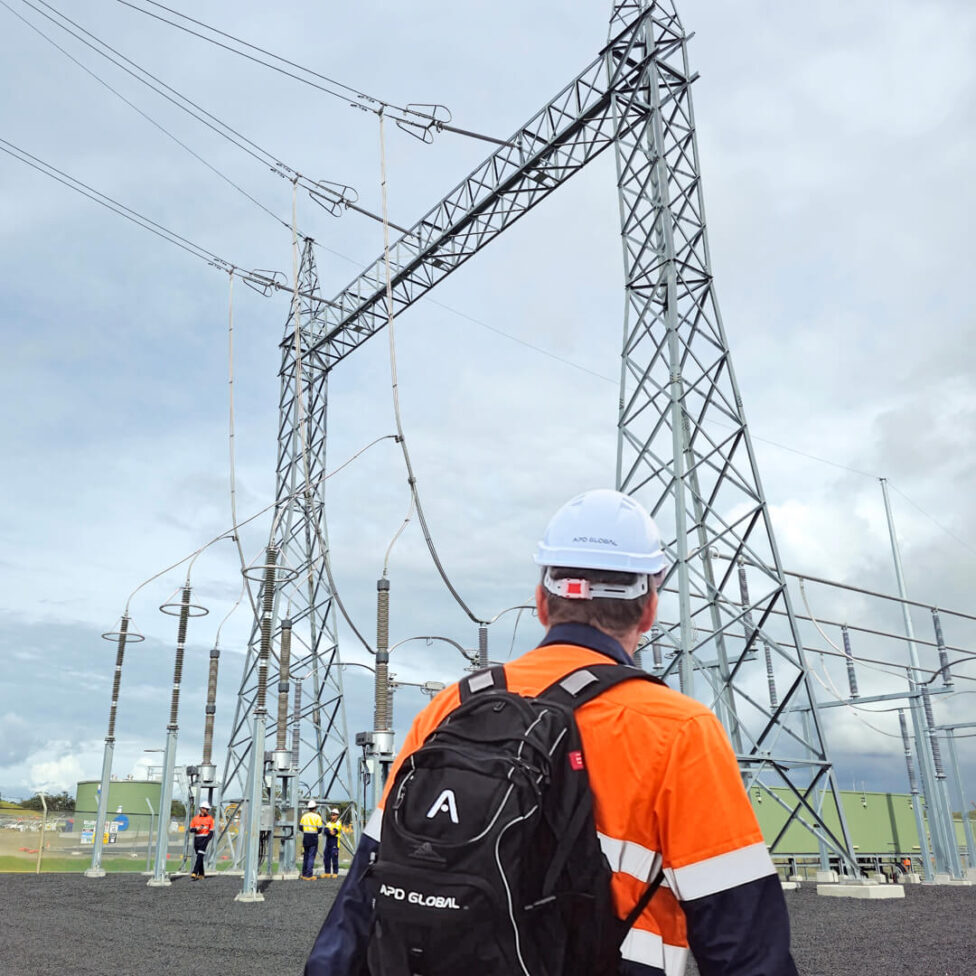
Eraring BESS
Grid connection design for a utility-scale battery at one of the NEM's biggest sites.
The project →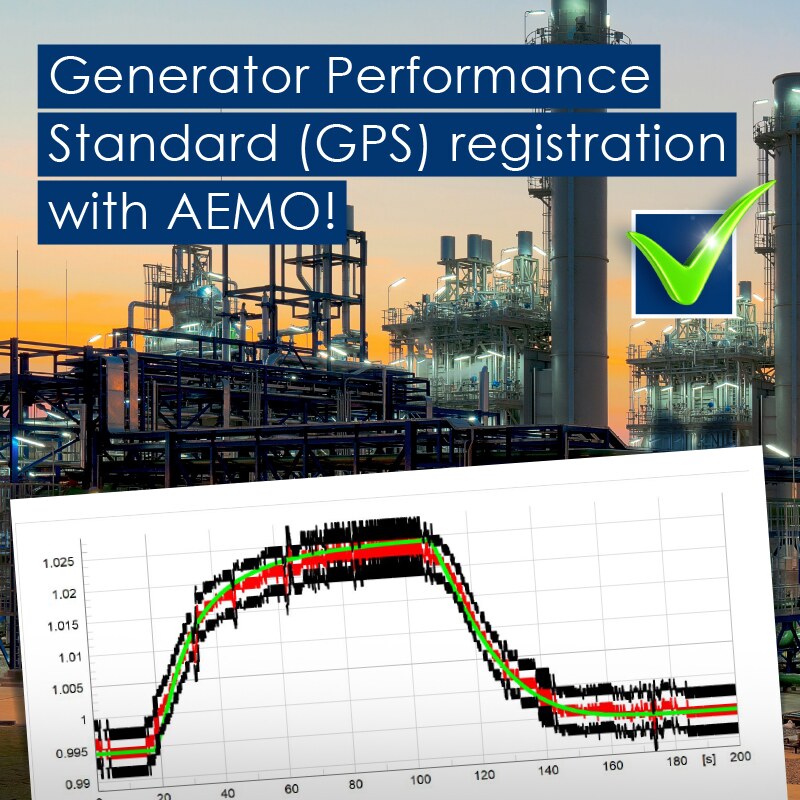
GPS, proven
Performance standards negotiated and validated - across the NEM and the WEM, 15 GW+ of connection studies.
The GPS case →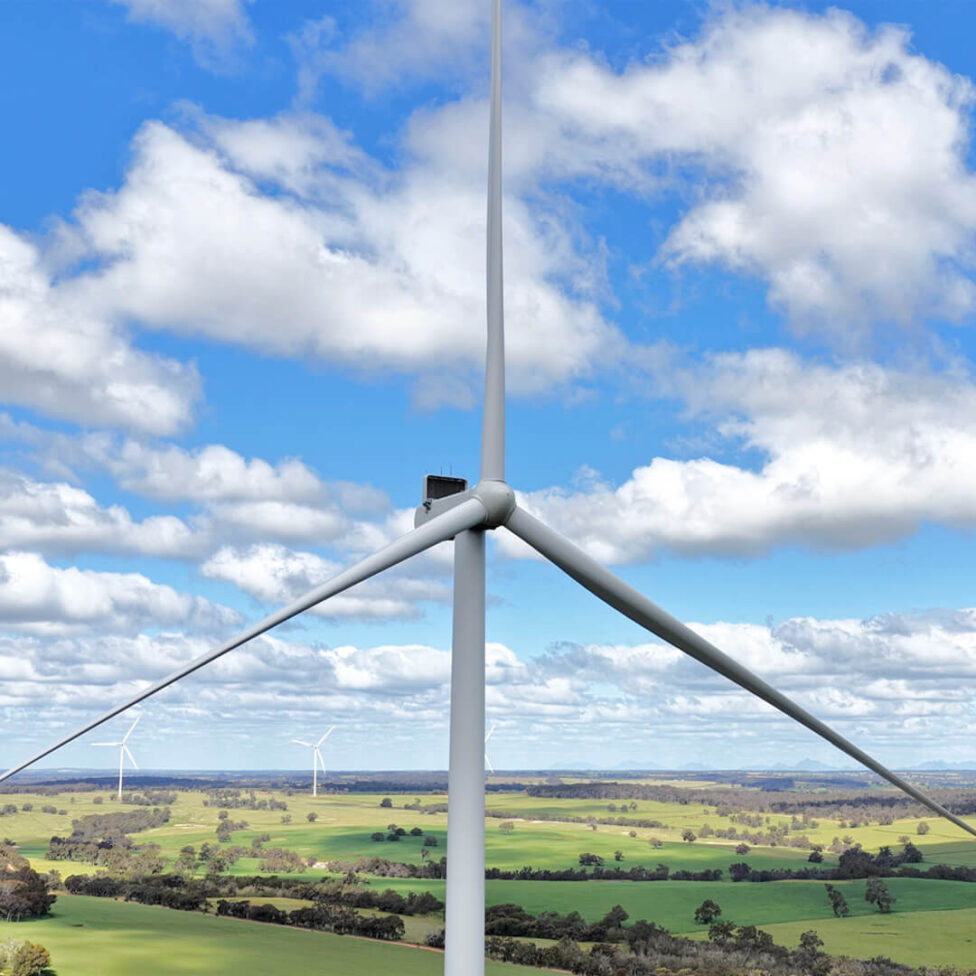
Central-West Orana
Engineering inside Australia's first declared Renewable Energy Zone.
The project →Keep navigating