
What grid connection takes in Australia
In the National Electricity Market (NEM), connection runs under Chapter 5 of the National Electricity Rules: connection enquiry, application, negotiation of the Generator Performance Standards under clause 5.3.4A, registration, then R1 and R2 model validation through commissioning. The NEM spans the east-coast utilities; Western Australia runs its own systems - the South West Interconnected System (SWIS), operated by Western Power, where the Wholesale Electricity Market (WEM) applies through Western Power and AEMO's WA processes, and the North West Interconnected System (NWIS) under Horizon Power. The paperwork is procedural; the engineering behind it is not.
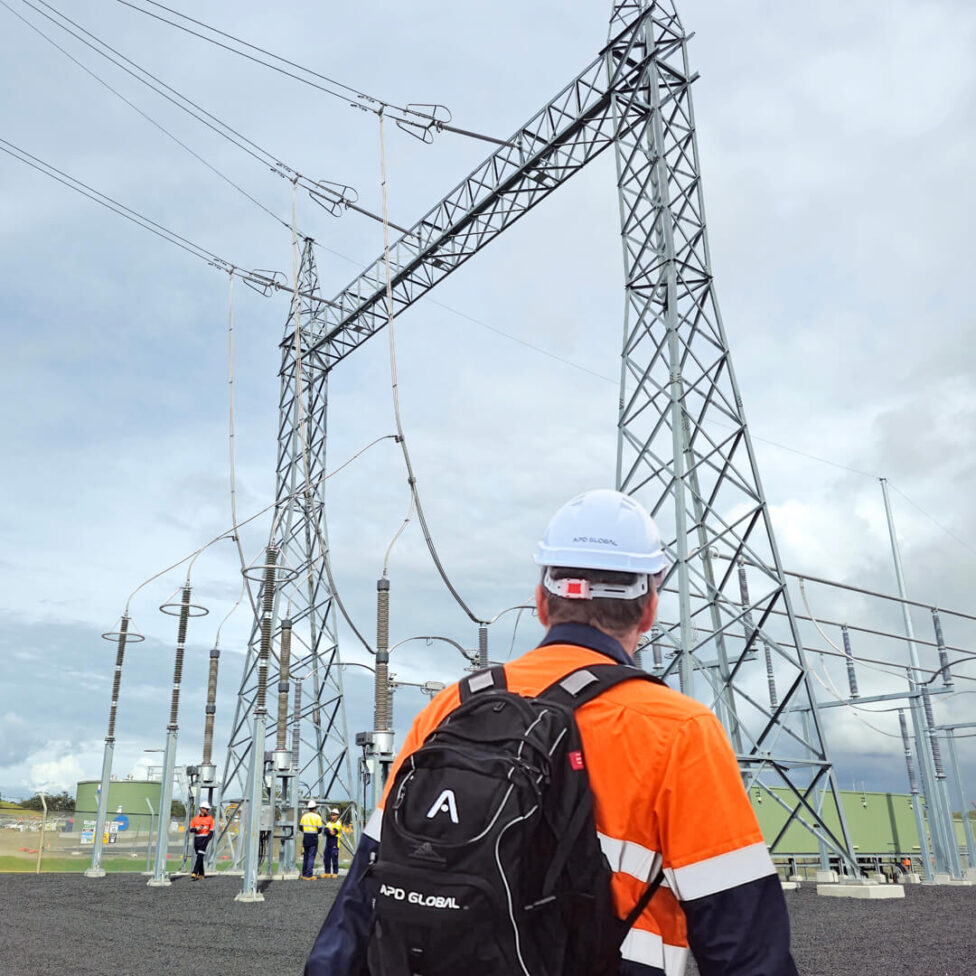
APD Global covers the whole path in one house - in sequence. First the studies and the connection process itself: enquiry, application, GPS negotiation, registration. Once the connection is secured, the detailed design - primary and secondary, and the substation and line works that give the connection something to connect to. Then R1 and R2 testing through commissioning. 15 GW+ of connection studies delivered.
Connection studies built to pass the first time
System strength assessments, fault levels, voltage stability, thermal capability, access rights and GPS compliance modelling - the pre-application and formal studies behind a connection application. Regulators and network owners will accept a resubmission, but the time penalty is severe - and for proponents carrying liquidated damages or a fixed connection window, a second round of studies is money, not just months. Getting the studies right the first time is the cheapest schedule insurance on the project. The modelling runs in the tools the reviewers use - PSCAD for EMT, PSS®E for RMS, and DIgSILENT PowerFactory where the network requires it for steady-state work - with validated dynamic models behind every submission.
The methods are published, not just practised: APD engineers co-authored CIGRE Paris Session 2026 paper 10487 with AEMO on wide-area RMS modelling of coordinated UFLS and DER shedding. Technical publications →
Generator Performance Standards
GPS negotiation and registration for batteries, renewables and industrial plant - NEM and WEM. Site tests, validated dynamic models and the technical submissions AEMO requires under the National Electricity Rules.
The scale is current: APD Global is connecting the mega data centres now arriving on the Australian grid - gigawatt-plus connections, individually.
And the range runs the other way too: a fifty-year-old alumina refinery plant on Western Power's SWIS brought to full GPS compliance. The GPS case →
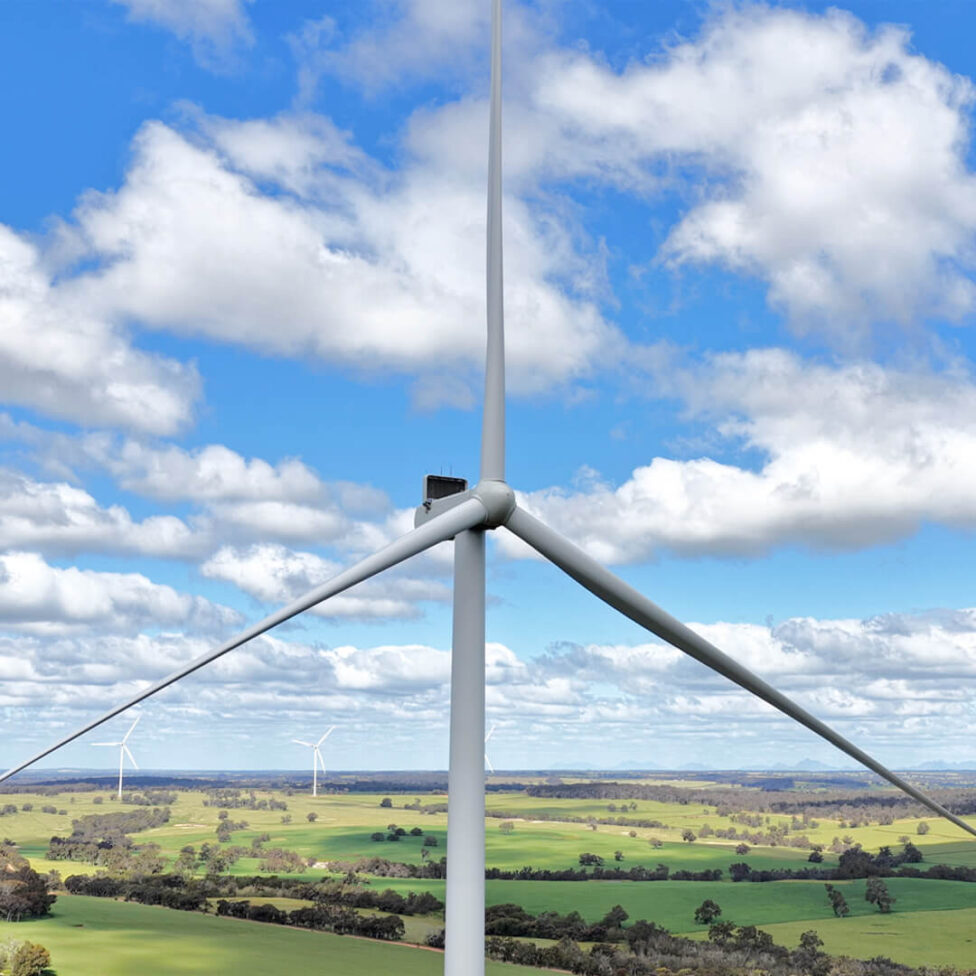
Grid connection for solar, wind and storage
Glenellen & Carwarp Solar
AEMO connection and registration for the 200 MW Glenellen Solar Project and 150 MW Carwarp Solar Farm - connection studies through to R2 commissioning.
The story →Eraring BESS
Grid connection design onto Australia's largest power-station site - new BESS substation and 330 kV tie into the existing Eraring switchyard, Stage 1 and 2.
Case study →Connecting a battery?
BESS connections carry their own study load - grid-forming capability, SIPS, model validation. There is a dedicated page for that.
BESS grid connection & studies →Islanded and industrial systems
Not every connection is to the NEM. APD Global's Future Grids team assessed the feasibility of importing up to 160 MW of solar and battery storage into an islanded LNG operation via a dedicated high-voltage link.
Mining and industrial connections carry the same rigour - Woodside's Pluto integration with the North West Interconnected System among them. Pluto NWIS →
Why an independent, accredited house
The substation and lines teams are accredited with Essential Energy, Western Power, Transgrid, ElectraNet, Ausgrid, AusNet and TasNetworks; in New Zealand, Transpower and the distribution networks.
27 years, established 1999. 1,000+ engineers and specialists.
Grid connection FAQ
How long does grid connection take in Australia?
It depends on the plant, the connection point and the study load. The NEM process runs enquiry → application → GPS negotiation → registration → R1/R2 validation → commissioning; the studies and negotiation phases drive the timeline. Early, complete studies are the single biggest schedule protection.
What is a GPS?
The Generator Performance Standards - the negotiated technical envelope a generator must meet at its connection point under NER clause 5.3.4A. It is settled between proponent, network owner and AEMO, and verified against validated models and site tests.
What is R2 model validation?
The post-energisation stage where the plant's dynamic models are proven against real site test data, confirming the plant behaves on the grid the way the studies said it would.
What is system strength, and why does AEMO care?
A measure of how firmly the network holds voltage waveforms stable near a connection point. Low system strength makes inverter-based plant harder to keep stable, so AEMO and network owners require it to be assessed - and remediated - before connection.
Related