
What a REZ actually is - and what it takes to engineer one
A Renewable Energy Zone is a network region developed to connect multiple large renewable generators through shared transmission infrastructure. That one sentence hides three engineering disciplines: the power system studies that determine what the network needs, the transmission line design that carries it, and the substations that connect it. REZ work makes the backbone voltage a system design problem, not just a line design problem - and optimising across all three disciplines at once is where the real savings in steel, concrete and overall infrastructure are found.
APD Global holds all three in one house. The studies team, the transmission line design team and the HV substation practice - up to 500 kV - work the same problem together, rather than negotiating an interface after the fact.
Australia's first REZ - delivered evidence, not a claim
APD provided the network modelling, NEM studies and system strength assessments behind Australia's first Renewable Energy Zone - Central West Orana. Engaged by ACEREZ to perform the tender design for EnergyCo's first large-scale REZ in New South Wales, APD delivered the power system studies, more than 200 km of 500 kV and 330 kV transmission line, and multiple 500 kV and 330 kV substation yards - a technical solution capable of unlocking 3 GW of renewable generation. ACEREZ was awarded the project on that tender. The CWO case →
REZ studies - the maths that sizes the zone
Network modelling, NEM studies and system strength assessments are where a REZ starts: the studies determine what the network needs before a tower is drawn or a yard is laid out. The same capability is deployed on REZ planning, REZ connection studies and large-scale network augmentation across the NEM and the WEM - with 15 GW+ of connection studies delivered. The modelling runs in the tools the reviewers use - PSCAD for EMT, PSS®E for RMS, and DIgSILENT PowerFactory where the network requires it for steady-state work. Power system studies →
REZ transmission - backbone-class lines
REZ transmission runs at the top of the voltage range, and APD's 500 kV credentials are current and tested: on HumeLink West - the alpine section of Transgrid's 500 kV link - APD's VTM strain towers, 74.2 metres tall and 150 tonnes, passed full-scale load testing at 110%; on CopperString, APD is designing the 500 kV suspension and light tension tower families for the line joining Mount Isa to the National Electricity Market. Panel appointments with Transgrid, Western Power and Transpower cover overhead line and underground cable work. Designing at 500 kV →
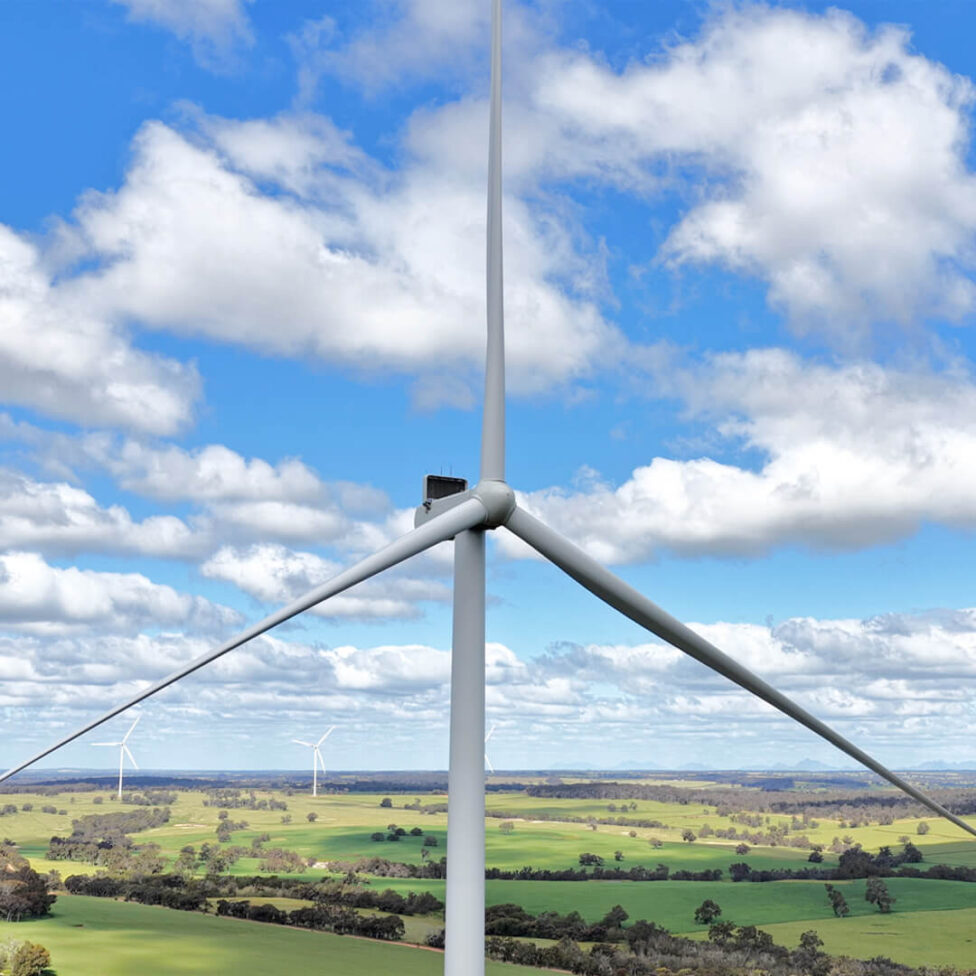
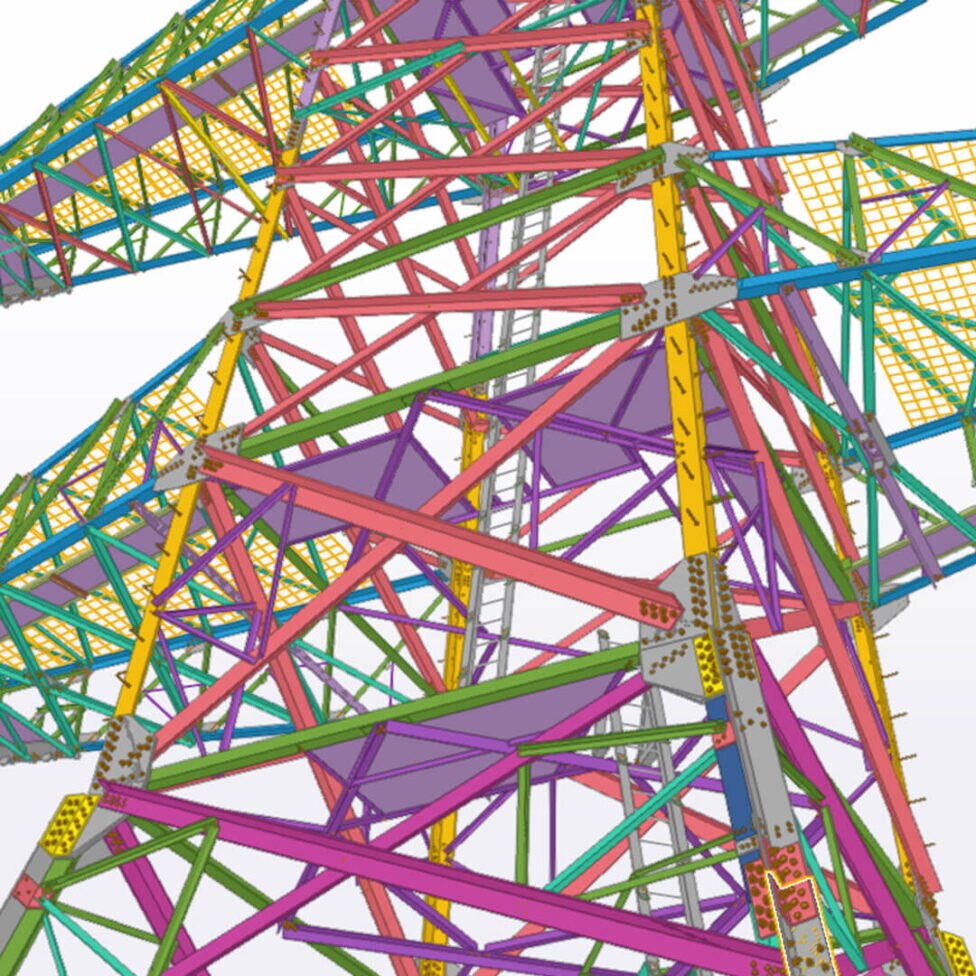
Selected REZ and backbone projects
From REZ studies to 500 kV steel.
Central West Orana REZ
Tender design for EnergyCo's first large-scale Renewable Energy Zone - studies, 500 kV and 330 kV lines, and 500 kV and 330 kV substations unlocking 3 GW.
HumeLink East and West
Tender-stage design with Acciona. Detail design with UGL - alpine VTM strain towers to 74.2 m and 150 tonnes. Both sides of Transgrid's 500 kV link.
WA Clean Energy Link - North
Twelve line packages, two 330 kV and three 132 kV terminals, protection and communications for Western Power's major network augmentation.
REZ substations - where the zone connects
Every REZ line ends in a yard, and the yard inherits the voltage's problems - bus heights, phase spacings, incoming gantries sized for backbone-class conductor tensions, earthing that must handle the fault levels of a backbone connection point, and protection and secondary systems that meet transmission-network operator requirements. APD Global's substation practice covers this end of the problem to 500 kV - from zone substations up to the terminal stations of REZ transmission, with the 500 kV and 330 kV yard designs on Central West Orana as delivered tender-stage evidence. HV substation design →
REZ grid connection - for the generators inside the zone
A REZ exists so that generators can connect - and each of those connections carries the same rigour as any other NEM connection: connection studies, Generator Performance Standards negotiated under clause 5.3.4A of the National Electricity Rules, registration, then R1 and R2 model validation through commissioning. APD Global covers the whole path in one house, for generators, batteries and industrial plant across the NEM and the WEM. Connecting plant within a REZ? Start at grid connection Australia - or the battery-specific page, BESS grid connection & studies.
Why one house matters in a REZ
The team is accredited with Essential Energy, Western Power, Transgrid, ElectraNet, Ausgrid, AusNet and TasNetworks; in New Zealand, Transpower and the distribution networks. 27 years, established 1999. 1,000+ engineers and specialists. And the methods are published, not just practised - APD engineers co-authored CIGRE Paris Session 2026 paper 10487 with AEMO. Technical publications →
REZ FAQ
What is a Renewable Energy Zone (REZ)?
A network region developed to connect multiple large renewable generators through shared transmission infrastructure. APD provided the network modelling, NEM studies and system strength assessments behind Australia's first REZ - Central West Orana.
What engineering does a REZ require?
Studies that determine what the network needs, transmission lines that carry it, and substations that connect it. On CWO that meant power system studies, more than 200 km of 500 kV and 330 kV line and multiple 500 kV and 330 kV substation yards - unlocking 3 GW.
What are REZ connection studies?
The network modelling, system strength assessments and NEM studies behind how a REZ - or a generator within one - connects and performs on the shared network. APD works on REZ planning and connection studies across the NEM and WEM.
How does a generator connect inside a REZ?
Connection studies, GPS negotiation under NER clause 5.3.4A, registration, then R1 and R2 model validation through commissioning - the same path as any NEM connection, delivered by one team from study to switch-on.
Why does REZ transmission run at 500 kV?
500 kV is the backbone voltage of Australia's new transmission build. Moving gigawatts of shared generation calls for backbone-class lines and terminal stations to match - APD designs both. Designing at 500 kV →
Related
Transmission line design
330 kV and 500 kV tower design, stringing systems and the REZ studies behind them.
Explore →Grid connection Australia
Connection studies, GPS registration and R2 commissioning - NEM and WEM.
Explore →Power system studies
Load flow, fault level, stability, system strength and model validation.
Explore →