
An EPC contract is judged on what gets built: a safe site, a construction programme that holds, plant that performs at handover - and keeps performing for decades of operation. That is what APD Global delivers, end-to-end under EPC and EPCM in power and telecommunications infrastructure: site acquisition through design, procurement and construction to testing, commissioning and handover, with post-handover O&M where the client wants the asset looked after by the people who built it.
What makes that delivery dependable is what sits underneath it - engineering at the core. Technical risk gets designed out before it reaches site, quality gets verified by people who can read the drawings, and re-work - the thing that actually blows EPC budgets - doesn't happen. On backbone-voltage transmission projects, that same bench is the engineering layer other EPC contracts are built on: the design house inside bids, EPCM manager on client-held packages, and owner's engineer over other people's EPC contracts.
The engineering bench behind that delivery is accredited with Essential Energy, Western Power, Transgrid, ElectraNet, Ausgrid, AusNet and TasNetworks among others, with New Zealand served through Transpower and distribution network accreditation. That accreditation is for engineering - and that's precisely the point of difference: most construction companies delivering EPC don't hold it. When APD delivers or manages an EPC project, the build is run by the same network-accredited bench that did the design - not a contractor working to someone else's drawings. Delivery runs from the Perth headquarters and offices across Australia under ISO 45001 (safety), ISO 9001 (quality) and ISO 14001 (environmental) certified management systems, so EPC work lands with the network knowledge each state's rules demand.
The model is straightforward: full turn-key infrastructure solutions under an EPC model. The complete engineering and procurement capability sits in-house; industry-recognised construction partners carry the major site works; APD's core staff self-perform electrical and mechanical tasks where quality demands it; and APD's experienced construction supervisors manage the site day-to-day to HSEQ and project requirements. APD performs the closeout testing, commissioning and controls, and prepares the handover and project close-out. Under that model APD delivers power stations (diesel and gas), renewables - solar, wind, BESS and biomass - HV substations from 11 kV to 500 kV, transmission and distribution lines and cables, MV/LV systems including switchboards and MCCs, control systems and communication systems. Beyond EPC, the delivery models extend to Build Own Operate (BOO and BOOM) and post-handover O&M - maintenance regimes, audits, inspections and upgrades.
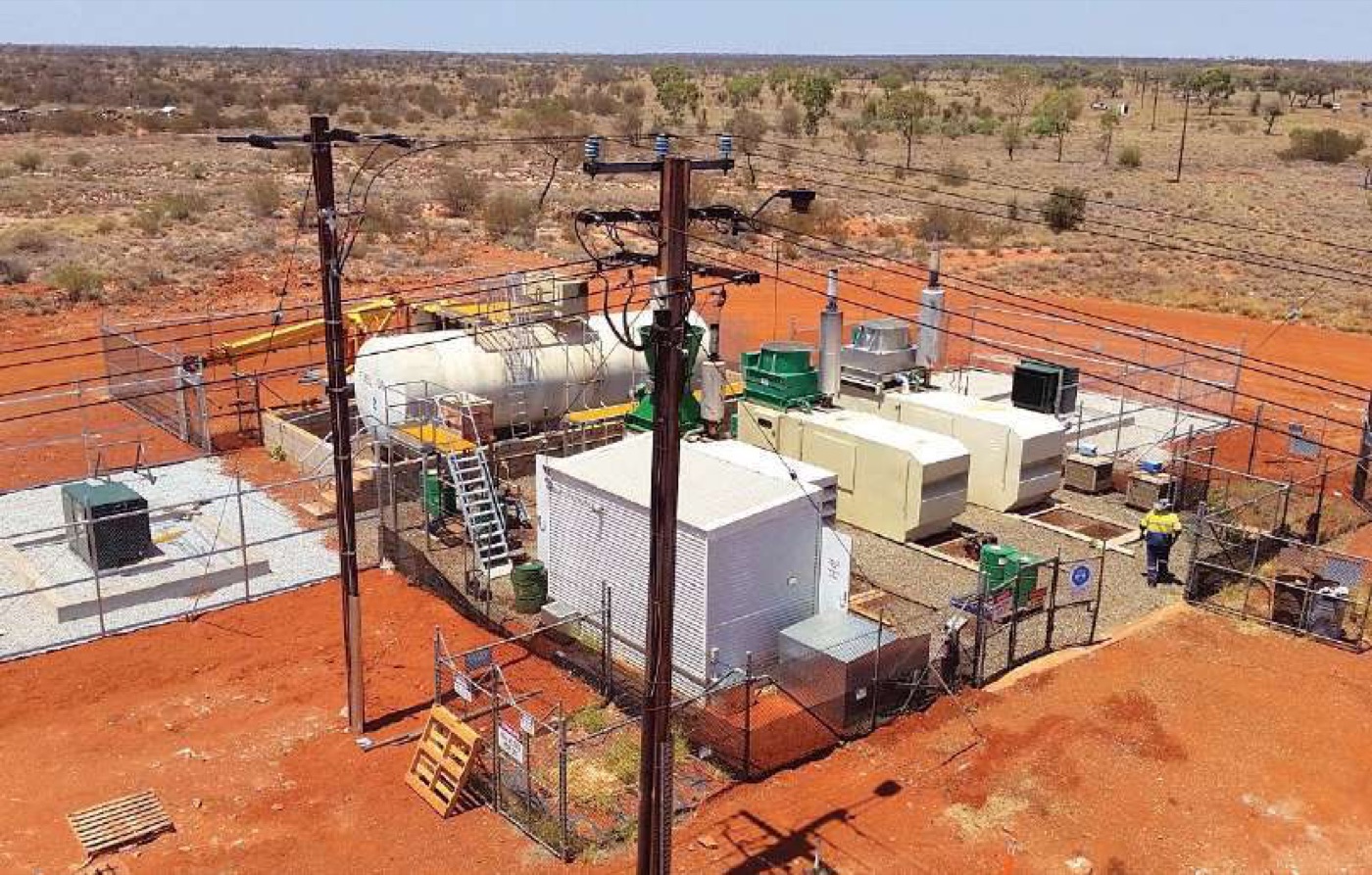

Delivered EPC and EPCM: electrical and power infrastructure
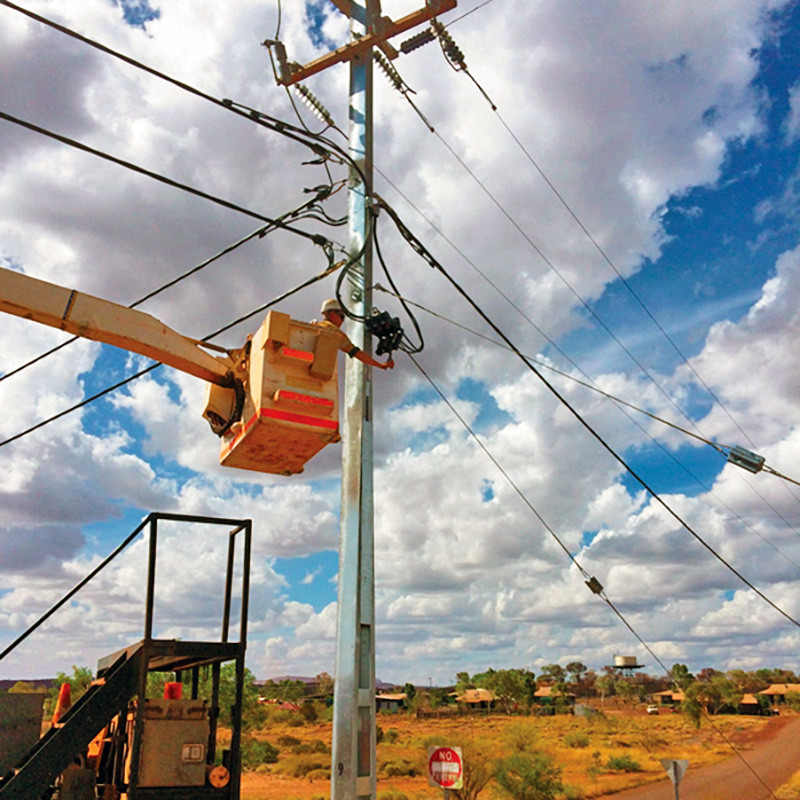
For the WA Housing Authority, APD delivered network and power station capacity upgrades across eight remote Aboriginal communities in the Kimberley, Pilbara and Central Desert - 12 new step-up and 16 step-down transformers, new containerised switchrooms with control and protection, replacement diesel generators with their fuel and cooling systems, new DC charger and battery systems, over 7 km of HV and LV underground cable and 5 km of overhead powerline upgrades - with procurement, construction management, and community liaison and Aboriginal employment built into the delivery model. At Balgo in the Kimberley, APD held the full EPCM contract for the network and power station upgrade: step-up and step-down transformers, a new containerised switchboard, generator replacement including cooling and fuel systems, and the civil and structural works around them - clearing, trenching, fencing, bunding and earthing.
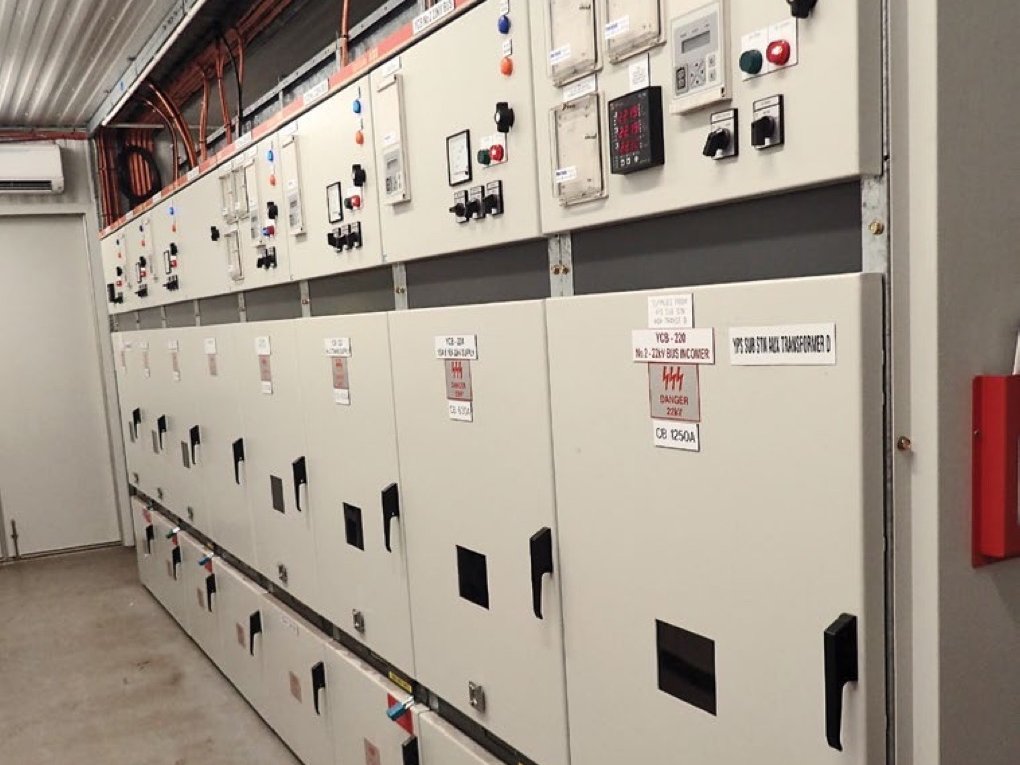
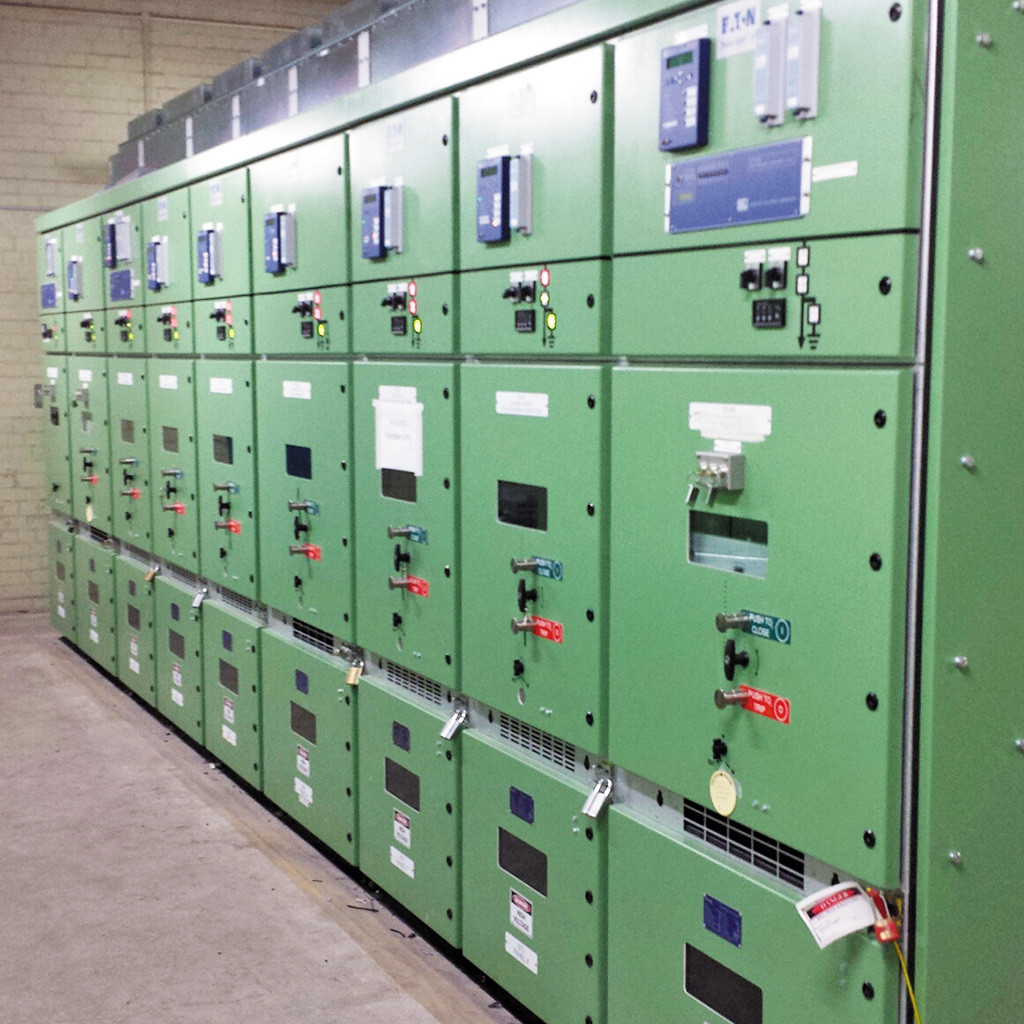
At Vales Point Power Station in NSW, APD delivered the complete package - design, procurement, testing and construction management - for the replacement of a 25-panel 6.6 kV switchboard inside a live brownfield power station, working within hard limits on outages and construction windows. For Rio Tinto Iron Ore at Wickham, APD engineered four new kiosk substations with powerline modifications and power and fibre reticulation, and stayed on as superintendent's representative through construction to testing and commissioning.
The same delivery model runs through a longer electrical track record: HV circuit breaker replacement at Royal Perth Hospital, the Shell fuel depot power supply upgrade, an EPC fault-recorder solution for Alinta, powerline works for Saracen Minerals, and power supply delivery for the Hitachi assembly plant and Caltex sites - jobs where design, procurement and construction management ran as one scope, under one roof.
Telecommunications EPC - same model, different infrastructure
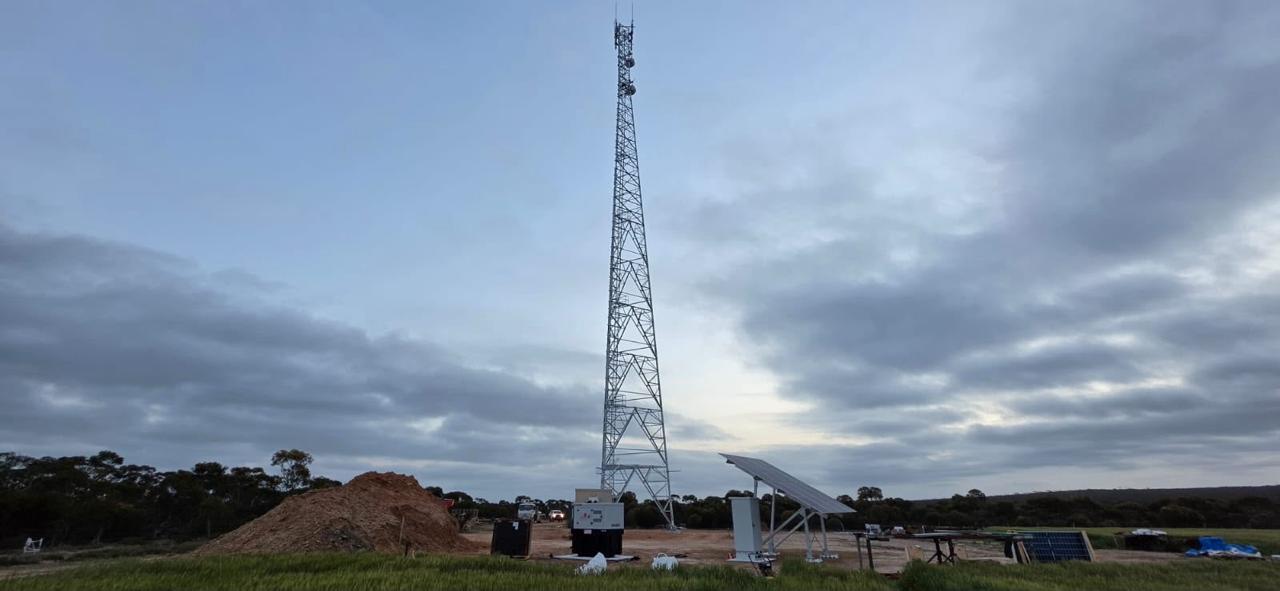
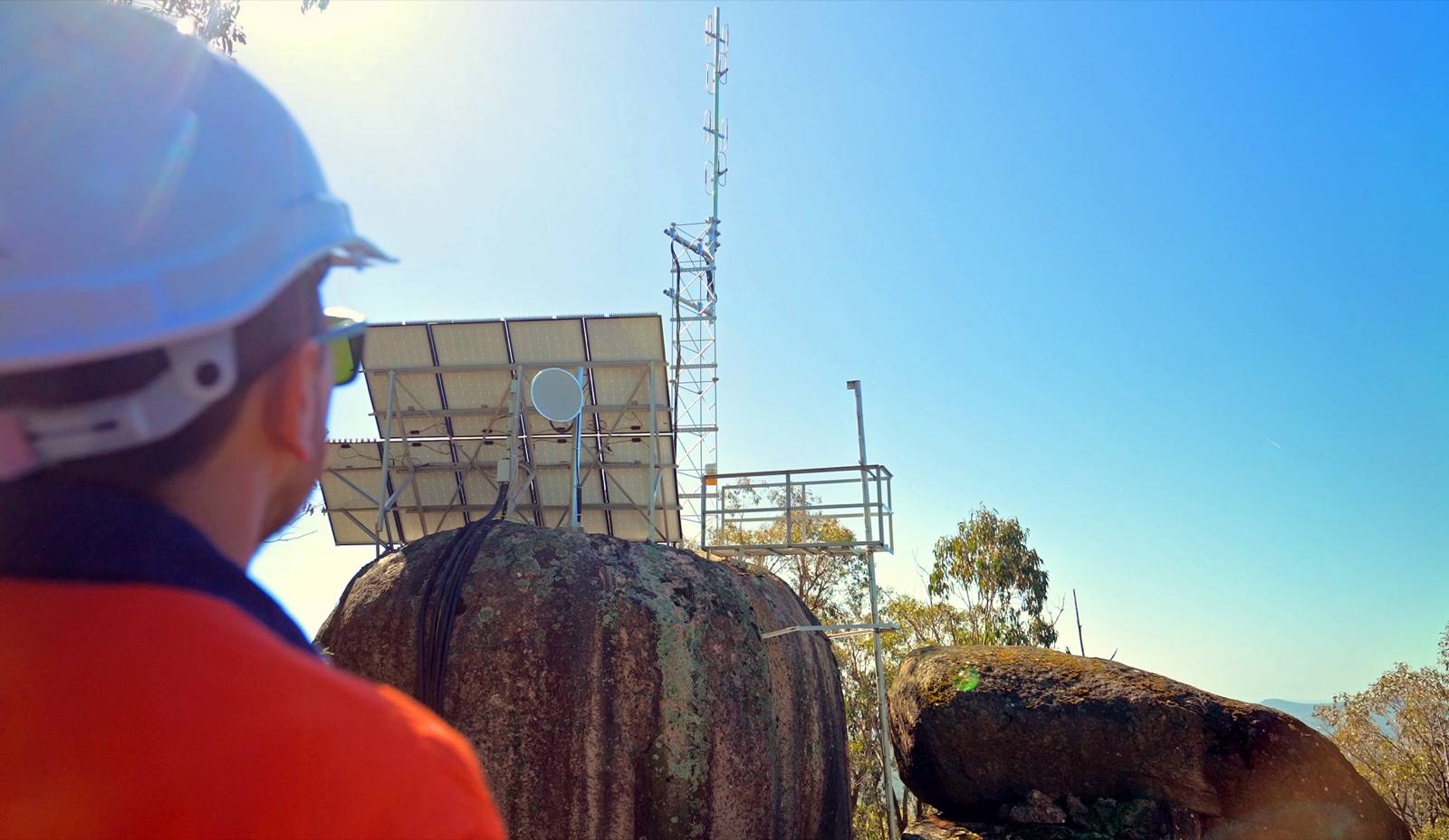
The clearest recent example is a 60 m greenfield telecommunications tower in the Esperance region of WA - no existing infrastructure, no grid power - delivered end-to-end from site acquisition through construction to commissioning, kept on-air by a hybrid solar power solution. That delivery is panel-backed: APD holds telecommunications design-and-construct panel positions with Western Power and Rio Tinto, and runs a heavy, continuing programme of Telstra SAED (site acquisition, environment and design) and construct work - including WA's first 4G rail signalling system, delivered for Nokia on the METRONET program, and Australia's first Telstra OneWeb LEO backhaul site - built at Coalseam Campground, 400 km north of Perth, in 50-degree heat. The full story lives on the telecommunications design & construct page.
Design for EPC delivery
Tender-stage design is where EPC economics are decided - quantities, layouts and interface risks fixed early enough to price. APD's tender-stage designs for the Central West Orana REZ 500 kV and 330 kV substation yards are exactly that work: design developed to the point where an EPC bid can stand on it. From award, the same bench carries the job through detailed design - substations, transmission lines, earthing, secondary systems and civil - so nothing is lost in a handover between a bid team and a delivery team.
Plant experts - sent where the plant is
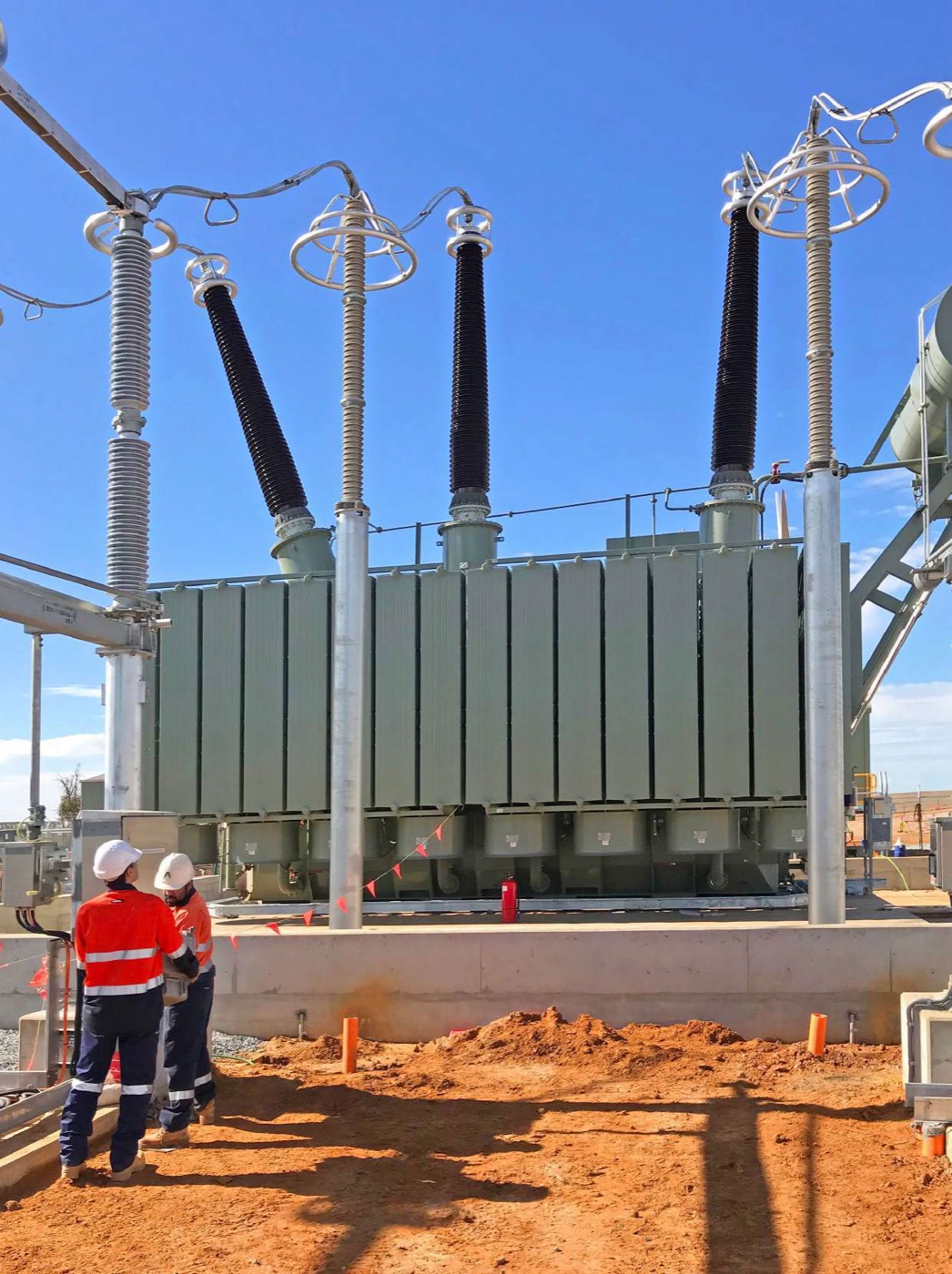
Behind the delivery projects sits a bench of plant specialists - transformer, switchgear, generation and protection engineers who know the equipment, not just the drawings. When plant is built for an APD-delivered project, those experts travel to the manufacturer's works - in Australia or overseas - to witness factory acceptance testing before anything ships: the point where a specification stops being a document and gets proven on the test floor.
It's the same discipline at every scale - from switchboard FATs to 500 kV tower families proven by full-scale load testing, through to site acceptance testing, injection testing and commissioning once the plant lands. When the equipment matters, the expert goes to the equipment.
Procurement engineering
Procurement on HV projects is a technical exercise wearing a commercial coat. APD writes the specifications that hold suppliers to the network's standards, evaluates tenders on engineering substance rather than brochure claims, and witnesses factory acceptance testing before plant ships. The result: what arrives on site is what the design assumed.
Construction and commissioning support
Through construction, the design team stays on the job - responding to site queries, managing design changes against their network implications, and preparing the testing and commissioning documentation that takes the asset from mechanical completion to energisation. On brownfield work the same discipline manages staged cutovers so the existing network keeps running while the new plant connects.
Owner's engineer on EPC contracts
Where the client has let a fixed-price EPC contract, APD sits on the client's side of the table - reviewing the contractor's design against the functional specification, witnessing tests, and giving lenders, regulators and operators the independent assurance a high-consequence asset demands.
Where it fits
EPC and EPCM engineering draws on the whole APD bench: power system studies that prove the connection, grid connection processes under AEMO's NEM and Western Power's WEM, and earthing design and testing proven on the installed asset. One firm, one model of the project, no subcontracted gaps.
Digital radio for emergency services - EPC in the hardest places
Some of the clearest proof of what design-and-construct delivery actually means comes from the Digital Radio Uplift Program - work delivered under APD's Telstra design-and-construct programme, moving regional emergency communications from analogue onto the digital Regional Managed Radio Network that ambulance, fire and police crews use among themselves. Not Triple Zero - the backbone those crews talk on.
Mount Lawson is the kind of site that separates engineering firms from delivery firms: one of Victoria's most remote emergency radio sites, no road access, every piece of equipment flown in by helicopter. Sites like this are why emergency services communications infrastructure is EPC work in its purest form - the design, the construction logistics and the commissioning all have to be solved by the same team, because there's no second trip up the mountain.
Delivered EPC and the engineering behind it
From greenfield towers to backbone-voltage design.
Esperance 60 m tower
Greenfield, off-grid comms tower - site acquisition, design, construction, integration and commissioning, powered by hybrid solar.
Balgo network & power station
Full EPCM - transformers, containerised switchboard, generator replacement with fuel and cooling systems, civil and structural works.
Vales Point Power Station
Design, procurement, testing and construction management - 25-panel 6.6 kV switchboard replaced inside a live power station.
Remote Aboriginal communities
Network and power station upgrades across the Kimberley, Pilbara and Central Desert - delivered with community liaison and Aboriginal employment.
EPC and EPCM - the questions asked most
Frequently asked questions.
What is EPC in energy infrastructure?
EPC stands for engineering, procurement and construction - the contract model where one party takes a project from design through to a commissioned, energised asset. In energy infrastructure it covers substations, transmission lines, BESS and grid connections. The engineering layer decides most of an EPC project's cost and risk before construction starts - which is why the design house behind the contract matters as much as the contractor in front of it.
What is the difference between EPC and EPCM?
Under an EPC (engineering, procurement and construction) contract, one contractor delivers the whole project and hands over a working asset at a fixed price. Under EPCM, the client holds the supply and construction contracts directly, and an engineering house manages engineering, procurement and construction on the client's behalf. EPC concentrates risk in the contractor's price; EPCM keeps the client in control of packages, suppliers and trade-offs.
Does APD Global deliver projects end-to-end under EPC?
Yes. APD provides full turn-key infrastructure solutions under an EPC model - complete in-house engineering and procurement, industry-recognised construction partners for major site works, core staff who self-perform electrical and mechanical tasks, and APD construction supervisors managing the site day-to-day. Delivered examples run from remote WA power station and network upgrades to a 25-panel switchboard replacement inside Vales Point Power Station and greenfield off-grid telecommunications sites. On backbone-voltage transmission projects, APD is the engineering side of EPC delivery - the design house behind bids, EPCM manager on client-held packages, and owner's engineer over EPC contractors. Telecommunications D&C →
What does EPC engineering include on a high-voltage project?
Tender-stage design that fixes the bid quantities, detailed design across primary, secondary, civil and earthing disciplines, technical specifications for procurement, factory acceptance testing, construction support and the commissioning documentation that takes the asset to energisation. APD Global delivers these disciplines in-house up to 500 kV. HV substation design →
Why use an owner's engineer on an EPC contract?
A fixed-price EPC contract puts the contractor's margin and the asset's quality in tension. An owner's engineer reviews the contractor's design, witnesses testing and provides the independent assurance that lenders, regulators and operators need - so the price stays fixed and the asset still meets the network's standards.
Does APD Global provide EPC engineering in Perth and Western Australia?
Yes. APD Global is headquartered in Perth and accredited with Western Power, with delivered EPC work across the state - from a 60 m off-grid greenfield comms tower in the Esperance region to 330 kV terminal design for WA Clean Energy Link North. Offices in Sydney, Melbourne, Brisbane, Adelaide and Darwin cover the NEM, with New Zealand served from Auckland, Wellington and Christchurch. Talk to the Perth team →